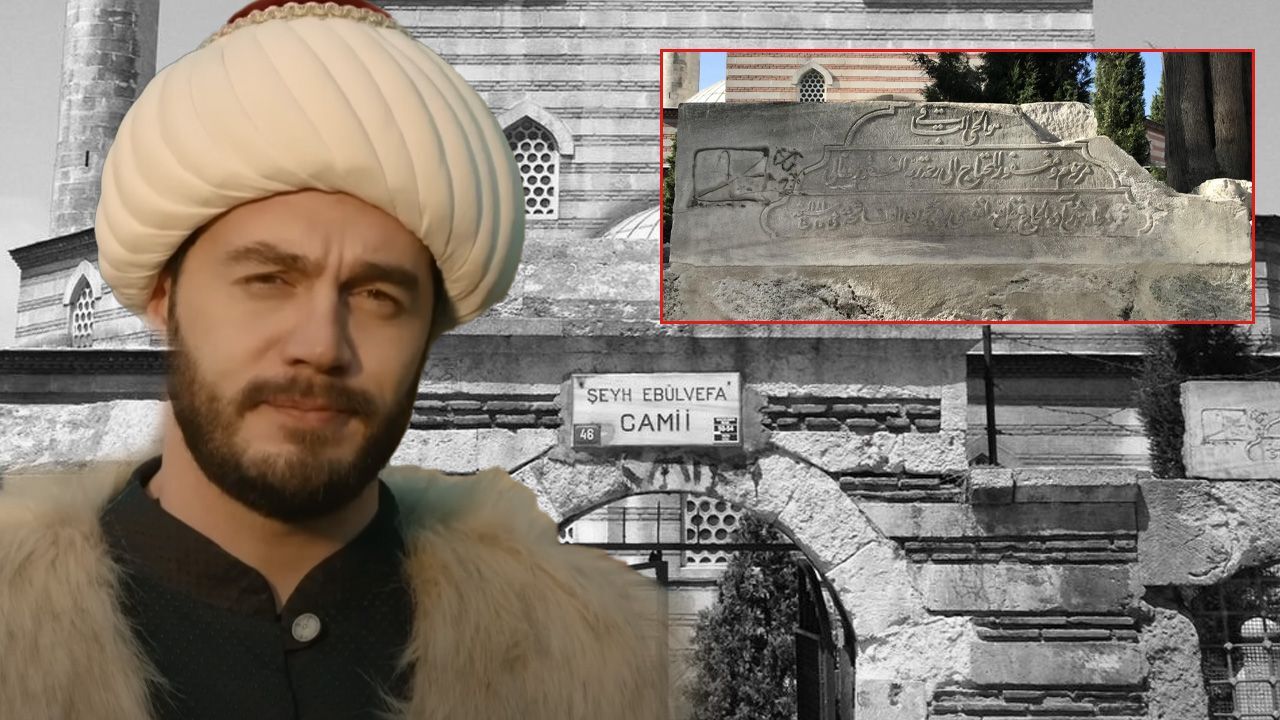
Şeyh Vefa: The Mystical Sufi Behind Istanbul's Vefa District Name
Istanbul, a city steeped in history and spiritual grandeur, is home to countless tales etched into its very foundations. Among these narratives is the profound story of Şeyh Vefa, a towering figure whose spiritual legacy continues to resonate through the ages. Often known as Vefa Sultan, his name graces one of Istanbul's most historic districts, symbolizing his enduring impact. While many seek to understand his lineage, particularly inquiries such as Vefa Sultan In Oğlu Ahmet Kimdir, historical records and comprehensive sources primarily identify Şeyh Vefa as Muslihuddîn Mustafa bin Ahmed. It is important to clarify that while "Ahmet" is part of his father's name, the extensive historical accounts focus on Muslihuddîn Mustafa's own life, teachings, and spiritual journey, without detailing a prominent son named Ahmet in connection to his public persona or spiritual lineage. This article delves into the true identity and immense contributions of this extraordinary Ottoman Sufi, whose wisdom helped shape the spiritual and intellectual landscape of a nascent imperial capital.
Who Was Şeyh Vefa? Unveiling Muslihuddin Mustafa's Identity
The name Şeyh Vefa, or Vefa Sultan, has recently regained prominence thanks to modern cultural adaptations, yet his historical significance is deeply rooted in the Ottoman Empire's formative years. Born in Konya, a city renowned for its rich Mevlevi tradition, Şeyh Vefa's full name was Muslihuddîn Mustafa bin Ahmed. While his exact birth year remains shrouded in time, historical consensus places his passing in 1490, a period of dynamic growth and transformation for the Ottoman state. His final resting place, a revered türbe (tomb), lies within the Istanbul district that proudly bears his name: Vefa.
More than just a geographical landmark, the Vefa district and its accompanying Vefa Mosque serve as a living testament to Muslihuddîn Mustafa’s spiritual and scholarly achievements. He was not merely a religious figure; he was an intellectual giant who navigated both the visible (zahirî) and hidden (bâtınî) dimensions of knowledge. His profound understanding made him one of the most respected Sufi masters and scholars of his era, leaving an indelible mark on the intellectual and spiritual fabric of Ottoman society. To truly appreciate his impact, it’s essential to explore his intellectual and spiritual development. For a deeper dive into his personal journey, you can read more about Who Was Vefa Sultan? Life of Muslihuddin Mustafa, Sufi Scholar.
A Journey Through Knowledge and Spirituality
Şeyh Vefa's intellectual and spiritual odyssey began early, laying the foundation for his future eminence. After completing his initial education in Konya, he journeyed to Edirne, then an important center of Ottoman learning. There, he became a dedicated student of Şeyh Muslihuddîn, the esteemed Imam of Debbağlar Mosque. This period of tutelage honed his skills in conventional Islamic sciences. However, his quest for deeper truth led him further. Under the guidance of his mentor, Şeyh Vefa sought the company and teachings of Abdüllatîf-i Kudsî Hazretleri, a pivotal figure who broadened Muslihuddîn Mustafa's horizons beyond religious studies into various sciences and esoteric knowledge.
His mastery was so profound that he was considered a müctehid, an independent interpreter of Islamic law and a scholar capable of deriving legal rulings from primary sources—a rare and highly respected distinction. This intellectual prowess was complemented by his deep immersion in tasawwuf (Sufism). Şeyh Vefa is recognized as the founder of the Vefâiyye branch of the Zeyniyye Sufi order, and some sources also associate him with the Halvetîlik tradition. His approach to Sufism was holistic, integrating rigorous scholarship with profound spiritual practice, emphasizing ilm (knowledge), ahlak (morality), and irfan (gnosis or spiritual wisdom).
An intriguing aspect of Şeyh Vefa's persona, highlighted in Ottoman sources, is his reputation as a "saint who did not meet with sultans" (Padişahlarla görüşmeyen veli!). This suggests a deliberate detachment from worldly power, symbolizing his spiritual independence. Despite this, his influence during the reign of Fatih Sultan Mehmet was undeniable, shaping the era's intellectual currents and spiritual discourse. This highlights how true spiritual authority can transcend direct political engagement, impacting society through wisdom and example rather than proximity to power. His life, while perhaps not directly entangled with court politics, deeply enriched the social and spiritual fabric of the nascent Ottoman capital, as further elaborated in Vefa Sultan: Fatih Sultan Mehmet Era's Influential Ottoman Scholar.
Şeyh Vefa's Enduring Legacy in Istanbul
Upon his return to Istanbul, Şeyh Vefa settled in the area that now proudly bears his name. Here, he dedicated his life to teaching, spiritual guidance (irşad), and scholarly pursuits. His presence transformed this part of the city into a vibrant center of learning and Sufi practice. The Vefa district today stands as a testament to his lasting impact, with the Vefa Mosque serving as a spiritual beacon, echoing the wisdom he imparted centuries ago.
His intellectual and spiritual contributions were particularly significant in the post-conquest period of Istanbul. After the city fell to Fatih Sultan Mehmet, there was a pressing need to rebuild and re-establish its cultural and spiritual identity. Figures like Şeyh Vefa played a crucial role in this endeavor, helping to infuse the new Ottoman capital with deep Islamic scholarship, ethical principles, and rich Sufi traditions. His teachings influenced not only scholars and mystics but also statesmen and the common populace, contributing to the development of a cohesive and spiritually-aware society.
In recent times, Şeyh Vefa's name has experienced a resurgence in public consciousness, largely due to a television series that brought his story to a wider audience. This renewed interest offers a valuable opportunity to delve deeper into the historical and spiritual significance of this remarkable figure, ensuring that his legacy continues to inspire new generations. It underscores the timeless appeal of individuals who dedicate their lives to knowledge, morality, and spiritual enlightenment.
More Than a Name: The Spiritual Impact of Şeyh Vefa
The name "Vefa" itself, meaning loyalty or faithfulness in Turkish, resonates deeply with the character and teachings of Muslihuddîn Mustafa. He embodied unwavering commitment to divine truth, to his students, and to the spiritual well-being of his community. His teachings emphasized a balanced approach to life, integrating worldly duties with spiritual aspirations, and advocating for continuous self-improvement through knowledge and ethical conduct. He believed that true spiritual advancement was inseparable from living a moral life and contributing positively to society.
Şeyh Vefa’s influence extended beyond the confines of his lodge or classroom. He shaped the moral compass of many, providing guidance during a critical period of Ottoman expansion and consolidation. His ability to synthesize complex philosophical and theological concepts into practical spiritual advice made him accessible to diverse segments of society. This holistic approach to spirituality, blending deep intellectual understanding with sincere devotion and ethical living, is perhaps his most enduring legacy. It serves as a reminder that true leadership, whether spiritual or temporal, is founded on profound knowledge, unwavering integrity, and a genuine commitment to the welfare of others.
For modern seekers, Şeyh Vefa’s life offers practical insights into the pursuit of inner peace and intellectual growth. His emphasis on continuous learning, moral uprightness, and spiritual discipline remains highly relevant in today’s complex world. His story encourages us to seek depth in our understanding, integrity in our actions, and purpose in our lives, mirroring the steadfast loyalty implied by his very name.
In conclusion, Şeyh Vefa, or Muslihuddîn Mustafa bin Ahmed, stands as a beacon of knowledge and spirituality in Ottoman history. While inquiries like Vefa Sultan In Oğlu Ahmet Kimdir might touch upon elements of his family, the core of his historical identity and legacy lies in his profound scholarship, his role as a Sufi master, and his indelible mark on Istanbul's spiritual and intellectual landscape. From his humble beginnings in Konya to his esteemed position as the namesake of a vibrant Istanbul district, Şeyh Vefa’s life exemplifies the pursuit of wisdom, the power of spiritual guidance, and the enduring impact of a truly faithful soul. His legacy reminds us that genuine influence stems not from worldly power, but from the depth of one's character, the breadth of one's knowledge, and the sincerity of one's spiritual journey.